
The Smallest Room With the Biggest Job: Organizing a Tiny Laundry Space
A guide to organization ideas for small laundry rooms and closets, covering detergent storage, folding space, and vertical solutions. Includes a comparison table.
A laundry space rarely gets the square footage it deserves. Whether it’s a dedicated small room, a stacked unit tucked into a hallway closet, or a washer and dryer squeezed under a countertop, the space is almost always an afterthought in the original floor plan. That leaves detergent bottles balanced on top of the machines, dryer sheets shoved into whatever gap is left, and nowhere at all to fold a clean load.
This guide covers how to organize a small laundry space using the walls, the door, and a few smart furniture choices, so the room does its job without spilling clutter into the hallway around it.
Look at the wall space directly above your washer and dryer. In almost every small laundry space, this is the single largest untouched storage opportunity in the room, and it’s usually available whether you’re renting or own the space.
Why Laundry Spaces Struggle More Than Other Small Rooms
Most small rooms in a home hold items that can be tucked into a closet or drawer when not in use. A laundry space is different, since the appliances themselves are permanent and fixed in place, leaving very little flexible floor space to work with. Everything else, detergent, supplies, a folding surface, has to fit into whatever gap remains around two large machines, which makes vertical and wall-based solutions far more important here than in almost any other room.
Claim the Wall Above the Machines First
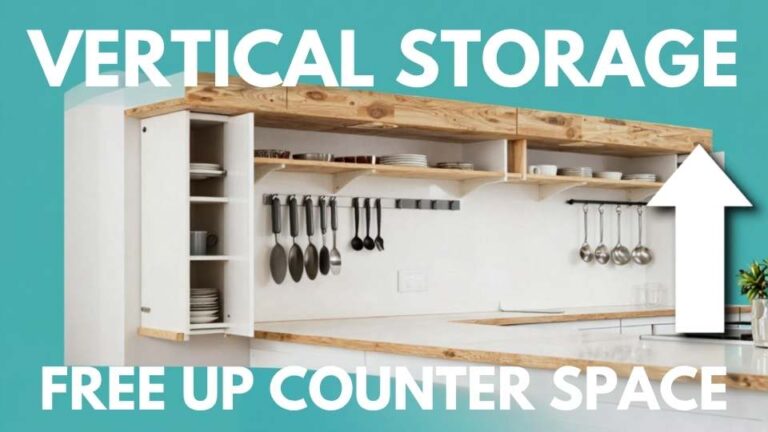
The space directly above a washer and dryer is almost always empty, and it’s rated for real storage capacity since nothing else in the room competes for that spot. Open shelving installed here can hold detergent, stain removers, and dryer sheets in labeled containers, keeping them visible and within reach without taking up any counter or floor space.
For renters or anyone avoiding drilling, a freestanding shelving unit that fits in the gap beside or behind the machines works nearly as well, though it does require enough clearance on the sides to fit.
Use the Back of the Door
The inside of the laundry room or closet door is one of the most reliably wasted spaces in the whole room. An over-the-door organizer with pockets can hold smaller items like stain sticks, lint rollers, or a sewing kit, using space that would otherwise sit completely empty. For laundry closets specifically, a slim over-the-door rack can also double as a spot to hang a few items straight out of the dryer before they make their way to a closet elsewhere in the home.
Add a Rolling Cart for Flexible Storage
A narrow rolling cart fits into gaps too tight for built-in cabinetry, sliding beside the washer or dryer to hold detergent, dryer sheets, and cleaning supplies in one mobile unit. Since it’s on wheels, it can be pulled out for full access during laundry day and tucked back against the wall the rest of the time, which matters in a room where every inch of walking space counts.
Stack the Machines When Floor Space Is the Real Bottleneck
If your laundry closet or nook allows for it, a stacked washer and dryer configuration frees up a substantial amount of floor space compared to a side-by-side setup. This isn’t always possible depending on the specific machines and the space’s dimensions, but where it is an option, it’s one of the single biggest space gains available in a small laundry area, opening up room for a folding surface or extra shelving that a side-by-side layout simply wouldn’t have space for.
Create a Folding Surface, Even a Small One
Not having anywhere to fold clean laundry is one of the more common frustrations in a small laundry space, and it’s often the reason clean clothes end up piling onto a nearby bed or couch instead. A few options work even in tight rooms:
A fold-down countertop mounted to the wall provides a flat folding surface when needed and folds flush against the wall the rest of the time, which matters in a room too narrow for a permanent counter. A rolling cart with a flat top doubles as both storage and a folding surface, and can be moved out of the room entirely if space is needed for something else. A laundry pedestal with a flat top, if your machines are compatible with one, adds both storage in a drawer underneath and a small folding surface above the machine itself.
Add a Hanging Rod for Air-Drying and Wrinkle Prevention
A wall-mounted rod, even a short one, gives you somewhere to hang shirts or delicate items straight out of the dryer, preventing wrinkles before they set in and giving air-dry-only items a dedicated spot rather than draping them over a door or nearby chair. In rooms too narrow for a full rod, a retractable version that extends only when needed keeps the space clear the rest of the time.
Store Cleaning Supplies With a System, Not a Pile
Laundry rooms often double as a general cleaning supply closet, which can quickly overwhelm a small space if there’s no system in place. Grouping supplies into labeled bins by category, laundry-specific items, general cleaning products, and specialty stain treatments, keeps the space from turning into an unsorted pile every time something new gets added.
Use Vertical Wire Shelving for Stacked Units
For laundry spaces with a stacked washer and dryer, a tall, narrow wire shelving unit fits into the gap beside the machines and takes advantage of the full height of the room rather than just the counter-level space most people default to. Wire shelving in particular allows air to circulate, which matters in a room that deals with moisture and occasional dampness from the machines themselves.
Handle Lint, Dryer Sheets, and Small Daily Items
A small bin or drawer specifically for lint disposal, dryer sheets, and stain pens keeps these frequently used, easy-to-misplace items from cluttering the top of the machines. A magnetic container attached to the side of the dryer, if the surface allows it, is a particularly space-efficient option, since it uses a surface that otherwise goes completely unused.
Comparison Table: Small Laundry Room Storage Options
| Solution | Best For | Approx. Cost | Trade-Off |
|---|---|---|---|
| Open shelving above the machines | Detergent, stain removers, dryer sheets | 30 to 70 dollars per shelf | Big storage gain, but needs stud mounting for anything heavier |
| Over-the-door organizer | Small supplies, lint rollers, stain sticks | 15 to 25 dollars | Uses otherwise wasted door space, but limited to lighter, smaller items |
| Narrow rolling cart | Flexible storage plus a folding surface | 40 to 90 dollars | Mobile and versatile, but takes up floor space when parked in the room |
| Fold-down wall counter | Folding space in a tight room | 60 to 150 dollars | Solves the folding problem directly, but needs sturdy wall mounting |
| Wall-mounted or retractable hanging rod | Air-drying, wrinkle prevention | 15 to 40 dollars | Useful for delicates, but adds visual clutter if left extended |
| Tall wire shelving unit | Stacked washer and dryer setups | 40 to 90 dollars | Uses full room height, but wire shelves aren’t ideal for very small loose items |
Keeping a Small Laundry Space From Filling Back Up
A laundry room tends to accumulate clutter quietly, since it’s often a room people pass through rather than spend real time in. A quick reset after each laundry cycle, wiping down the folding surface, returning supplies to their designated shelf or bin, keeps the space functional without requiring a deeper clean too often. It also helps to do a seasonal check of what’s stored there, since laundry supplies and cleaning products tend to accumulate duplicates over time if they’re not reviewed occasionally.