
Practical organization ideas for a small home office, focused on moving clutter off the desk and using vertical space well. Includes trade-offs and a comparison table.
Off the Desk, Onto the Wall: Organizing a Home Office That Has No Room to Spare
A small home office has one enemy that shows up faster than anywhere else: the desk. Every loose cable, every stack of paper, every pen that’s lost its cap ends up right there in front of you, since there’s rarely anywhere else for it to go. The result is a desk that looks cluttered by Tuesday, even if it was clear on Monday morning.
The fix isn’t a bigger desk. It’s getting most of what you own off the desk entirely and giving it a home somewhere else in the room, usually the wall, a nearby shelf, or a cart that tucks away when you’re done for the day. This guide covers what actually works in a small office, along with the trade-offs of each option.
Clear your entire desk surface and only put back what you use every single day: your computer, maybe a lamp, and one small tray for pens. Everything else gets sorted into a “needs a new home” pile while you read the rest of this guide.
Start by Deciding What Actually Belongs on the Desk
Most desks end up holding items that get used once a week, not once a day. A printer, a stack of reference books, a box of old receipts, none of these need to sit on the one surface you use constantly. Go through everything currently on your desk and ask whether you touch it daily. If not, it moves to a shelf, drawer, or cart instead.
This single habit, keeping the desk reserved for daily items only, solves more clutter than any organizer product on its own.
Use the Wall Above the Desk First
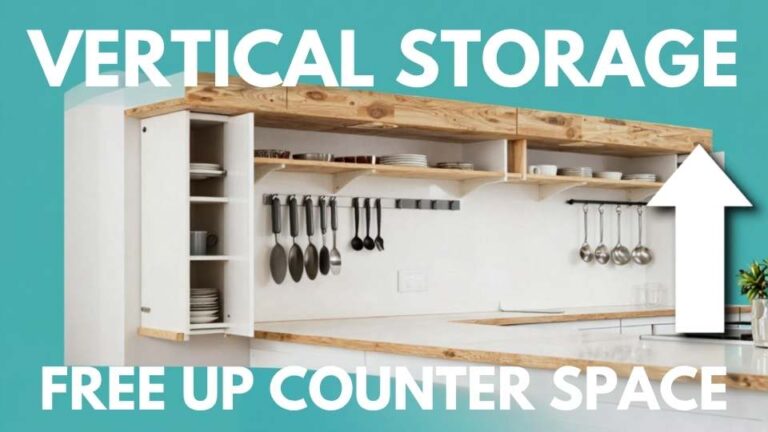
The wall above a desk is almost always empty, and it’s the easiest place to reclaim storage without giving up any floor space. A couple of floating shelves mounted at eye level or slightly above can hold books, a small plant, or supplies you reach for often but don’t need directly in front of you.
For renters or anyone avoiding drilling, a pegboard mounted with adhesive strips rated for the weight you plan to hang works nearly as well, and it’s easy to rearrange as your setup changes.
Get Paper Off the Desk With a Wall-Mounted System
Paper is one of the fastest-growing clutter sources in any office, home or otherwise. A wall-mounted file sorter or a set of labeled wire baskets keeps incoming mail, bills, and documents in one visible spot instead of spreading across the desk in loose stacks.
Sort into simple categories: to do, to file, and to shred. Checking and clearing this system once a week keeps it from turning into its own pile of clutter.
Handle Small Supplies With Drawer Dividers, Not Loose Drawers
A single drawer holding pens, paperclips, sticky notes, and cables without any separation turns into a mess within days. Adjustable drawer dividers split that same drawer into small, defined sections, so each type of item has its own spot and stays there.
If your desk doesn’t have drawers, a small tray or a repurposed container on a nearby shelf does the same job.
Move the Printer Off the Desk Entirely
A printer is one of the biggest space hogs in a small office, and it’s rarely something you need directly in front of you. Placing it on a lower shelf, inside a cabinet, or on a small rolling cart frees up a significant chunk of desk space immediately. If it’s wireless, there’s no real reason it needs to sit within arm’s reach at all.
Use a Rolling Cart for Flexible Storage
A narrow rolling cart works well in offices too small for a full filing cabinet or bookshelf. It can hold office supplies, a printer, or craft materials, and it tucks against a wall or into a closet when it’s not in use. This is especially useful if your “office” is really a shared space, like a corner of a bedroom or living room, since the cart can be rolled out of sight when the desk needs to double as something else.
Store What You Reference Rarely, Away From the Desk Entirely
Reference books, old files, and supplies you use only occasionally don’t need prime real estate near the desk. A closet shelf, a bin under the desk, or even a box in another room works fine for anything you touch less than once a month. Keeping only frequently used items nearby is what actually keeps the desk area calm.
Manage Cables Before They Take Over
Cables have a way of becoming visual clutter even when everything else is organized. A cable management box or a simple set of clips along the back of the desk keeps cords contained and out of view, which makes a small office feel noticeably tidier without changing anything structural.
Comparison Table: Small Home Office Storage Options
| Solution | Best For | Approx. Cost | Trade-Off |
|---|---|---|---|
| Floating shelves | Books, reference items, decor | 20 to 50 dollars per shelf | Frees desk space, but limited weight capacity |
| Wall-mounted file sorter | Incoming mail and active paperwork | 15 to 35 dollars | Keeps paper visible and controlled, but needs a weekly clear-out to stay useful |
| Drawer dividers | Pens, small supplies, cables | 8 to 20 dollars per set | Cheap and effective, but only works within existing drawer space |
| Rolling cart | Printers, craft supplies, shared spaces | 40 to 100 dollars | Highly flexible, but takes up floor space when in use |
| Cable management box | Cords, power strips, chargers | 10 to 25 dollars | Cleans up visual clutter, but doesn’t add storage capacity |
| Closed cabinet or hutch | Printers, files, reference books | 100 to 300 dollars | Hides clutter completely, but a bigger investment and takes up more room footprint |
Keeping a Small Office From Filling Back Up
An organized desk doesn’t stay that way on its own. A short reset at the end of each work day, clearing loose papers, returning items to their spot, and wiping down the surface, keeps the system from sliding back into clutter within a week. It also helps to do a monthly check of the wall-mounted paper system and drawers, since these tend to quietly fill up even when the desk itself looks fine.