
Real small apartment storage ideas that go beyond stacking bins. Learn what actually reclaims space, what to skip, and which products are worth the money.
15 Small Apartment Storage Ideas That Actually Work (Not Just Pinterest Fantasies)
Living in a small apartment means every square foot has to earn its keep. The problem with most storage advice is that it treats every apartment the same way, telling you to “just add a shelf” without acknowledging that shelves need wall space you might not have, or that not every renter can drill into their walls.
This guide skips the generic filler. It covers what actually reclaims usable space in a small apartment, what trade-offs come with each option, and which of these ideas are worth spending money on versus which ones you can do for free this weekend.
The one takeaway to act on today: before you buy a single bin or shelf, measure your three worst clutter zones (usually the closet, under the bed, and one kitchen cabinet) and figure out the actual cubic footage you’re working with. Most people buy storage products that don’t fit their space because they skip this step.
1. Compress Off-Season Items Before You Store Them
Winter coats, comforters, and spare bedding take up far more space than they need to. Vacuum-seal storage bags shrink bulky fabric items to roughly half their volume, which frees up an entire closet shelf or under-bed area.
The trade-off: vacuum bags work well for things you access once or twice a year, like holiday bedding or winter coats. They’re a poor choice for items you need weekly, since repeated compressing and releasing breaks down some fabrics over time and the resealing gets annoying fast.
2. Use Bed Risers to Unlock Under-Bed Storage
Most beds sit low enough that only flat bins fit underneath. Bed risers add 4 to 6 inches of clearance, which is often the difference between fitting nothing and fitting several bins of shoes, out-of-season clothes, or extra linens.
Look for risers rated for your bed’s actual weight, not just the frame weight. Cheap plastic risers can crack under a mattress plus a sleeping adult.
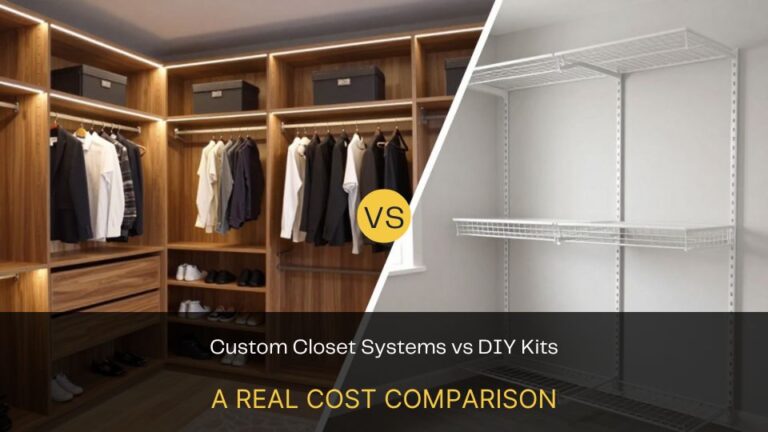
3. Install Double-Hang Closet Rods
Standard closets waste a huge amount of vertical space with one rod and one shelf. Adding a second rod below the first (for shirts, folded pants, and skirts) can increase hanging capacity by 20 to 30 percent without any structural changes.
For renters, look for tension-mounted double rods that clamp into the existing closet frame instead of ones that require drilling.
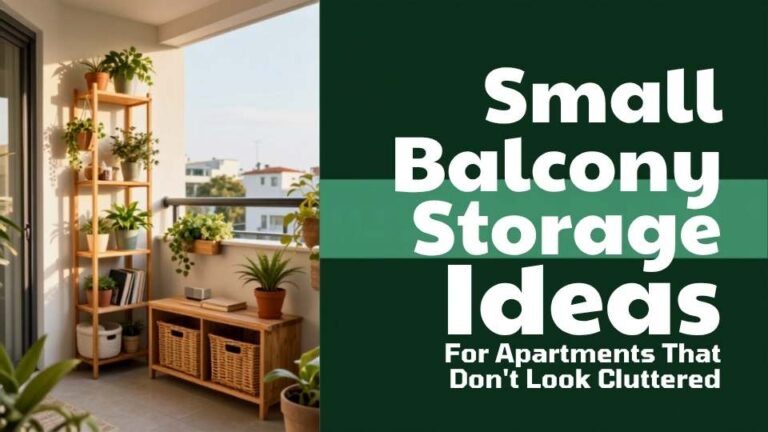
4. Go Vertical With Wall-Mounted Shelving
The space above doorways, above furniture, and in the top third of most rooms usually sits empty. Floating shelves installed there add real storage without eating floor space.
If you’re renting and can’t drill, look for shelving that mounts with heavy-duty adhesive strips rated for at least 15 pounds per strip. Just don’t expect them to hold heavy books or glassware safely.
5. Choose Furniture That Also Stores Things
In a small apartment, furniture that only does one job is a missed opportunity. Storage ottomans, beds with built-in drawers, and coffee tables with a shelf underneath all add capacity without adding footprint.
The trade-off is usually price. Multi-purpose furniture costs more upfront than a basic version of the same piece, but it often replaces the need for a separate storage unit entirely.
6. Use Over-the-Door Organizers
The back of closet doors, bathroom doors, and even the pantry door is almost always wasted space. Over-the-door shoe organizers, multi-tier racks, and pocket organizers use just a few inches of depth and can hold anywhere from a dozen to two dozen items.
7. Add a Pegboard in the Kitchen or Craft Area
Pegboards mounted to a wall or the inside of a cabinet door free up drawer and counter space for pots, utensils, and tools. They’re inexpensive, don’t require much wall space, and can be rearranged as your storage needs change.
8. Corral Small Items With Drawer Dividers
Junk drawers happen because small items have nowhere specific to go. Adjustable drawer dividers (plastic or bamboo) keep utensils, office supplies, or bathroom items separated so the drawer stays functional instead of becoming a catch-all.
9. Use Stackable, Uniform Bins Instead of Mismatched Containers
One of the biggest space-wasters in a small closet or pantry is a mix of different-sized containers that don’t stack well together. Switching to one uniform bin size, even if it costs a bit more upfront, usually creates 15 to 20 percent more usable space just from better stacking.
10. Install a Fold-Down Desk or Table
A wall-mounted table that folds flat when not in use can serve as a desk, dining table, or craft space, then disappear when you need the floor. This is one of the few small-apartment ideas that adds an entire functional room without using any permanent floor space.
11. Use Tension Rods Inside Cabinets
A tension rod installed horizontally inside a cabinet creates a second tier for hanging spray bottles, cutting boards, or lids by their handles. This is a renter-friendly trick since it requires no drilling and costs almost nothing.
12. Store Bulky Items in Vertical, Not Horizontal, Space
Ironing boards, brooms, and folding chairs are often stored flat, which wastes floor space. Wall-mounted vertical holders keep these items upright against a wall instead, freeing up the floor or closet shelf they’d otherwise occupy.
13. Declutter Before You Organize, Not After
It’s tempting to buy storage products first and sort your belongings second. This almost always backfires, because you end up storing things you don’t need. Go through each problem area and remove anything you haven’t used in the last year before buying a single bin.
14. Use Command Hooks for Small, Frequently Used Items
Keys, bags, and umbrellas cause daily clutter because they don’t have a fixed spot. A row of adhesive hooks by the entryway solves this in about 10 minutes and doesn’t require any tools.
15. Rotate Seasonal Storage Instead of Keeping Everything Out
Keeping every season’s clothes and gear accessible at once is one of the biggest space drains in a small apartment. Rotate items seasonally, storing off-season items in vacuum bags or bins in a harder-to-reach spot like a closet’s top shelf or under the bed, and keep only current-season items in easy reach.
Comparison Table: Best Storage Bins for Small Apartments
| Bin Type | Best For | Approx. Cost | Trade-Off |
|---|---|---|---|
| Clear stackable plastic bins | Closets, pantries | 8 to 15 dollars each | Bulkier than fabric, but far more durable and see-through |
| Fabric storage cubes | Open shelving, closets | 10 to 20 dollars each | Lightweight and collapsible, but not as sturdy for heavy items |
| Vacuum-seal bags | Off-season clothing, bedding | 15 to 25 dollars for a multi-pack | Great for compression, poor for frequently accessed items |
| Under-bed rolling bins | Shoes, out-of-season clothes | 15 to 30 dollars each | Needs enough bed clearance to roll in and out easily |
| Wire baskets | Kitchen cabinets, bathroom shelves | 10 to 20 dollars each | Great airflow for produce or towels, but items aren’t hidden from view |
A Quick Note on What Actually Works
Not every idea on this list applies to every apartment. Renters should prioritize the no-drill options (tension rods, adhesive hooks, over-the-door organizers) before investing in anything that requires permanent changes. Homeowners have more flexibility to install shelving or double-hang rods for a bigger long-term payoff.